Category: Real Estate

  • What Should Buyers Look for When Comparing Condominium Projects in Singapore?

    What Should Buyers Look for When Comparing Condominium Projects in Singapore?

    Buying a condominium in Singapore requires more than finding an attractive development and deciding whether the asking price fits the budget. With numerous projects competing within different districts, buyers need a structured way to determine whether a property offers the right combination of location, accessibility, unit quality and long-term market appeal.

    A useful starting point is to compare developments according to the characteristics that are difficult to change after purchase. The building’s location, relationship with surrounding infrastructure, unit configuration and overall development positioning can have a lasting influence on ownership.

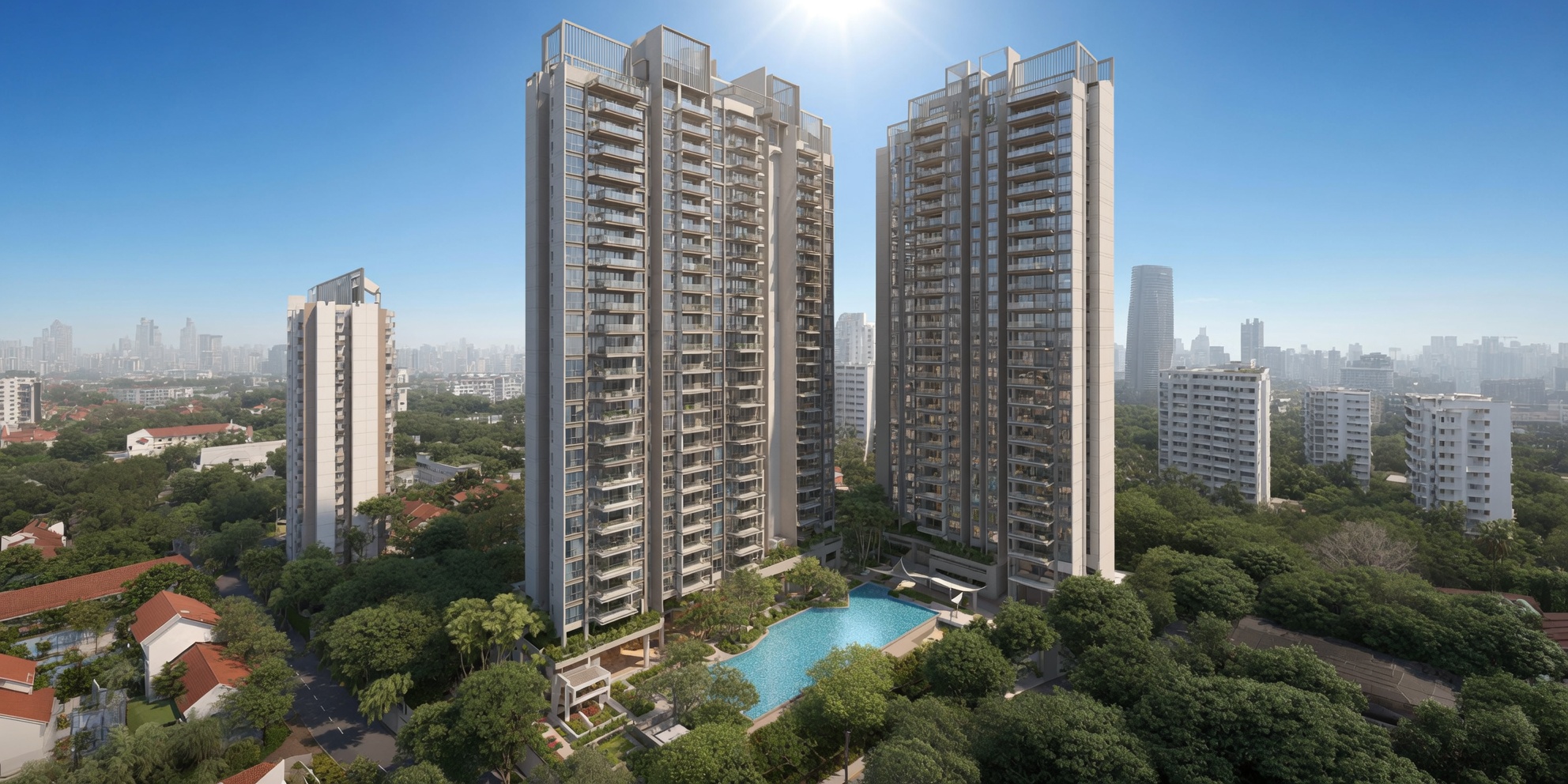
    This approach can be applied when evaluating projects such as Lucerne Grand and Amberwood at Holland, which occupy different positions within Singapore’s residential landscape.

    Condominium Projects

    Start With the Location, Not the Show Flat

    The location of a condominium is one of its most permanent characteristics.

    Interior finishes can eventually be renovated, furniture can be replaced and rooms can be redesigned. The address, however, remains unchanged.

    For that reason, buyers should study the surrounding district before becoming too focused on the appearance of a show unit.

    Look at nearby transport infrastructure, shopping facilities, schools, recreational spaces, employment centres and existing residential developments. These elements contribute to the practical attractiveness of a property and can influence demand from both owner-occupiers and tenants.

    Lucerne Grand is positioned in the western part of Singapore near Lakeside MRT Station, placing it within the wider Jurong area. This gives buyers a reason to examine the ongoing importance of Jurong as a major commercial and residential hub.

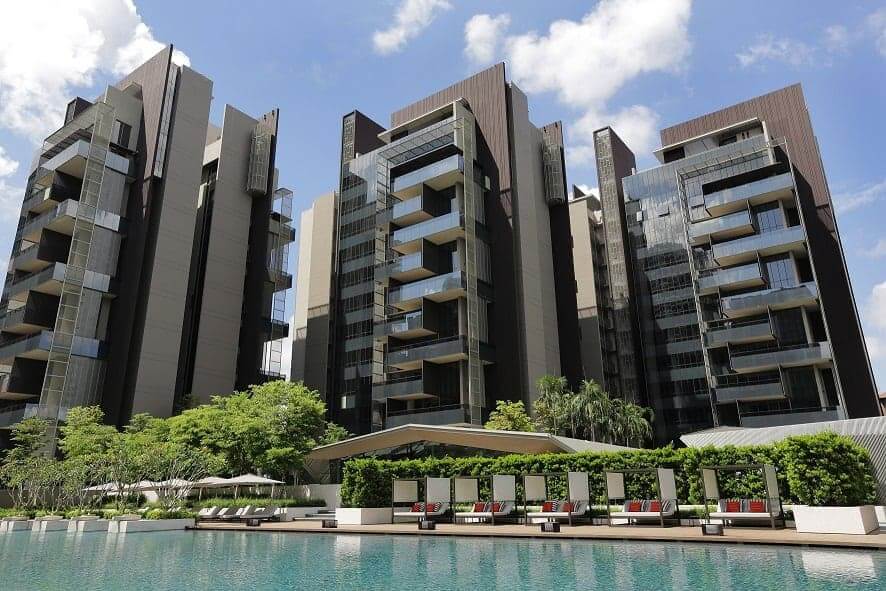
    Amberwood at Holland, meanwhile, sits within the established Holland area, where the surrounding residential environment and proximity to central Singapore form an important part of its appeal.

    Examine How Accessible the Property Really Is

    Saying that a condominium is “well connected” is not enough.

    Buyers should examine exactly where residents can travel and how easily they can reach their regular destinations.

    For Lucerne Grand, the nearby Lakeside MRT Station provides access to the East West Line. This can be relevant for residents commuting toward the city, western employment areas and other locations connected through the rail network.

    For Amberwood at Holland, buyers should assess the available transport connections in relation to their own destinations.

    A property that is highly convenient for one household may be less suitable for another.

    The best comparison is therefore based on actual travel patterns rather than generic claims about connectivity.

    Compare the Surrounding Property Market

    A condominium should also be considered in relation to competing developments.

    Look at other projects in the same district or nearby areas and compare their unit sizes, development age, tenure, facilities, accessibility and asking prices.

    This provides useful context.

    For example, buyers examining Lucerne Grand can study comparable residential properties around Jurong, Lakeside and surrounding western neighbourhoods.

    Those considering Amberwood at Holland can compare suitable projects in Holland and nearby central-west districts.

    The purpose is not necessarily to identify the cheapest option. A property may command a premium because it offers a combination of characteristics that competing developments cannot easily reproduce.

    Assess the Unit Layout Carefully

    After evaluating the broader location, buyers should turn their attention to the actual apartment.

    Floor area is important, but efficiency can matter just as much.

    A unit with a practical rectangular layout may be easier to furnish than a larger apartment containing awkward corners or excessive circulation space.

    Consider how the living room connects with the dining area.

    Check whether bedrooms are appropriately proportioned.

    Examine kitchen placement and storage opportunities.

    Think about whether the layout can accommodate different furniture arrangements.

    This becomes particularly important when comparing units within the same development because individual stacks can offer noticeably different living experiences.

    Look at Orientation and Facing

    Orientation is another factor that deserves attention before making a purchase.

    The direction a unit faces can affect natural light, views, privacy and exposure to surrounding activity.

    Buyers should identify what lies beyond the windows rather than relying only on the developer’s floor plan.

    An open outlook may be appealing, but it is also worth understanding whether nearby undeveloped land could eventually change.

    Similarly, a unit facing an internal facility may provide convenience while also being exposed to more activity.

    These details can influence both owner-occupier satisfaction and future resale appeal.

    Consider the Development’s Facilities in Context

    Condominium facilities can contribute to the attractiveness of a project, but buyers should evaluate them according to actual usefulness.

    A swimming pool, gym, clubhouse or landscaped area may add value for certain households.

    However, extensive facilities can also contribute to maintenance expenses.

    Instead of counting the number of amenities, consider whether the facilities justify their contribution to the overall ownership cost.

    The condition and quality of shared spaces should also be examined.

    A development’s long-term appeal depends partly on how well its common areas are maintained.

    Study the Neighbourhood’s Existing Amenities

    A condominium’s facilities are only one part of the wider residential offering.

    Established external amenities can be equally important.

    Residents may depend on supermarkets, shopping centres, restaurants, healthcare services, parks and other everyday destinations.

    The Jurong environment around Lucerne Grand includes major commercial destinations and recreational facilities, including Jurong Lake Gardens.

    The Holland neighbourhood surrounding Amberwood at Holland provides a different mix of established lifestyle, dining and retail options.

    These characteristics can influence how attractive a property is to different categories of buyers.

    Think About Who Will Buy the Property Later

    Even owner-occupiers should consider future marketability.

    A condominium purchased today may eventually be sold to another household.

    The future buyer could be a young professional, a couple, a family or an investor.

    Properties with practical layouts, good connectivity and access to established amenities may have a broader potential audience.

    This does not guarantee a particular resale price, but it can reduce the risk of purchasing a highly specialised property that appeals to only a narrow segment.

    Price Should Be the Result of the Analysis

    Price should not be the first and only factor in a condominium comparison.

    A lower asking price does not automatically represent better value.

    Likewise, paying more does not necessarily mean purchasing a superior property.

    Buyers should first identify the property’s strengths and weaknesses, compare suitable alternatives and then determine whether the asking price appears reasonable relative to those characteristics.

    This creates a more disciplined approach to property selection.

    Visit at Different Times

    A single property viewing may not reveal everything.

    If possible, buyers should visit the development at different times of the day.

    Morning conditions can reveal traffic and commuting activity.

    Evenings may provide a clearer picture of noise, lighting and neighbourhood activity.

    Weekends can show how busy common facilities and surrounding amenities become.

    This can be especially useful when choosing between different stacks within the same condominium.

    Final Thoughts

    Comparing condominium projects requires a broader perspective than simply looking at brochures and show flats.

    Lucerne Grand offers a western residential proposition near Lakeside MRT Station and within the wider Jurong market, making transport connectivity, regional infrastructure and surrounding commercial development important considerations.

    Amberwood at Holland provides a different proposition within the established Holland area, where central accessibility and mature neighbourhood amenities form key parts of its residential appeal.

    For buyers, the right comparison should begin with location and move gradually toward the individual unit. Examine transport, surrounding developments, layouts, orientation, facilities, maintenance considerations and the potential future buyer pool before deciding whether the price makes sense.

    Most importantly, avoid evaluating a condominium based on one attractive feature.

    A desirable property is usually the result of several strengths working together: a useful location, practical housing product, appropriate amenities and sustained demand from people who genuinely want to live in that area.

    Taking the time to examine those elements can help buyers move beyond marketing claims and make a more informed real-estate decision.

  • How Convenience and Comfort Shape Residential Preferences

    How Convenience and Comfort Shape Residential Preferences

    When choosing a home, buyers often look beyond size, appearance, and price. Convenience and comfort can have a significant influence on how suitable a property feels for everyday life. A well-located home can reduce travel time and simplify errands, while thoughtful design can make daily routines more comfortable. In Singapore’s competitive residential market, these qualities increasingly work together to shape what homebuyers value in a property.

    The Serra Residences

    Convenience Starts With Location

    A convenient location can make everyday activities easier to manage. Access to MRT stations, bus services, supermarkets, schools, healthcare facilities, restaurants, and recreational destinations can reduce the time residents spend travelling.

    The importance of each amenity depends on household needs. Professionals may prioritise commuting options, while families may focus on schools, parks, and shopping. Developments such as The Serra Residences illustrate why buyers may consider the wider neighbourhood as part of the property’s overall appeal.

    Comfortable Homes Support Daily Routines

    Convenience outside the home needs to be matched by comfort inside it. Efficient layouts, sensible room proportions, sufficient storage, natural lighting, and ventilation can all influence how residents experience a property.

    A well-designed floor plan can make everyday movement easier and reduce wasted space. Buyers should consider how furniture will fit and whether the layout supports the household’s actual routines.

    Transport Connectivity Adds Flexibility

    A well-connected residential location can support changing lifestyles. Residents may change jobs, work from home more often, or need to travel to different parts of Singapore.

    Multiple transport options can provide greater flexibility. Buyers should consider actual walking routes, transfer times, sheltered connections, and peak-hour travel rather than relying only on advertised distances.

    Nearby Essentials Reduce Daily Friction

    Convenient access to supermarkets, pharmacies, clinics, banks, and other essential services can simplify ordinary errands.

    These facilities may seem like small conveniences individually, but their value can become significant when considered over years of homeownership. Being able to complete several errands within a nearby area can free up time for work, family, and leisure.

    Amenities Can Enhance Comfort

    Condominium facilities can provide additional options for recreation and relaxation. Swimming pools, gyms, gardens, lounges, playgrounds, and function rooms can reduce the need to travel elsewhere for certain activities.

    The quality of these facilities matters more than simply having a long list of amenities. Residents are more likely to appreciate facilities that are accessible, well designed, appropriately sized, and properly maintained.

    Natural Light and Ventilation Matter

    Comfort is also influenced by the indoor environment. Natural light can make rooms feel brighter and more inviting, while good ventilation can contribute to a fresher and more pleasant home.

    Window placement, unit orientation, building spacing, and room layout all affect these qualities. Buyers should consider the actual conditions of a unit rather than relying entirely on floor plans or marketing images.

    Greenery Can Improve the Residential Experience

    Access to landscaped gardens and outdoor spaces can provide a sense of calm within an urban environment. Trees, lawns, planted walkways, and shaded seating areas can make shared spaces more pleasant.

    Projects such as Dunearn Green demonstrate why the integration of greenery and residential design can contribute to both visual appeal and everyday comfort.

    Practical Design Supports Modern Lifestyles

    Residents increasingly use their homes for multiple purposes, including working, studying, exercising, entertaining, and relaxing. Flexible rooms and efficient layouts can help accommodate these changing needs.

    A practical home does not necessarily need to be large. Good planning can make a relatively compact space feel more functional by reducing unnecessary corridors, providing useful storage, and allowing furniture to be arranged efficiently.

    Privacy Contributes to Comfort

    A convenient location should not come at the expense of privacy. Building orientation, window placement, balcony positioning, landscaping, and spacing between blocks can influence how private a home feels.

    Buyers should consider potential views into neighbouring units as well as noise from roads, communal facilities, and surrounding developments. A comfortable home should provide residents with opportunities for both connection and quiet.

    Well-Designed Common Areas Add Value

    Common areas are an important part of condominium living. Attractive entrances, corridors, gardens, lounges, and recreational spaces can create a more pleasant environment for residents and visitors.

    Good design should also consider practical issues such as lighting, accessibility, ventilation, circulation, and maintenance. Common areas that are easy to navigate and well maintained can improve the overall perception of a development.

    Family Needs Can Influence Preferences

    Families often place a high value on convenience and comfort. Nearby schools, childcare facilities, playgrounds, parks, supermarkets, and healthcare services can simplify daily routines.

    Inside the home, flexible bedrooms, sufficient storage, practical kitchens, and comfortable living areas can make family life easier. Buyers should consider both current requirements and how the household may change over time.

    Lifestyle Convenience Supports Well-Being

    Convenience is not limited to practical errands. Easy access to parks, fitness facilities, restaurants, cultural venues, and social spaces can provide residents with more opportunities to enjoy their leisure time.

    When these destinations are close to home, residents may find it easier to maintain active and varied lifestyles without spending excessive time travelling.

    Maintenance Protects Long-Term Comfort

    The comfort of a residential development depends partly on how well it is maintained. Clean common areas, functioning lifts, attractive landscaping, well-maintained facilities, and reliable security systems all contribute to a positive experience.

    Buyers should therefore assess maintenance standards, particularly when considering completed developments. A well-designed property can lose much of its appeal if common facilities are poorly managed.

    Convenience and Comfort Should Be Balanced

    The ideal residential property combines external accessibility with internal comfort. A home may have excellent transport connections but an inefficient layout, or it may offer beautiful interiors while being inconveniently located.

    Buyers should therefore evaluate both sides of the equation. Consider how easily the household can reach important destinations and how comfortably residents can live within the home itself.

    Preferences Can Change Over Time

    A property’s suitability may evolve as household circumstances change. Professionals may begin working remotely, couples may have children, or older family members may move in.

    Homes with adaptable layouts and neighbourhoods with diverse amenities can provide greater flexibility. This can make convenience and comfort more sustainable over the long term.

    Making a Residential Choice

    Convenience and comfort are closely connected to the way people experience their homes every day. Good transport access, nearby amenities, efficient layouts, natural light, greenery, privacy, and quality facilities can all contribute to a more satisfying residential environment.

    For buyers, the most useful approach is to consider how a property fits into real routines rather than focusing solely on its appearance. Visiting the neighbourhood, testing travel routes, examining the floor plan, and assessing shared facilities can reveal whether a home genuinely provides the desired balance.

    Ultimately, a well-chosen residential property should make everyday life easier without compromising comfort. When location, design, amenities, and the surrounding environment work together, they can create a home that remains practical, pleasant, and adaptable as residents’ needs evolve.

  • Singapore Property Market Trends 2026: What Investors Should Watch Next

    Singapore Property Market Trends 2026: What Investors Should Watch Next

    The Singapore property market continues to evolve in response to economic shifts, government policies, and long-term urban planning strategies. As we move deeper into 2026, investors are paying closer attention to emerging trends that could shape property values, rental demand, and investment opportunities over the next decade.

    Unlike speculative markets, Singapore’s real estate sector is driven by fundamentals. This makes trend analysis especially important for investors looking to position themselves ahead of structural changes rather than short-term fluctuations.

    Decentralisation of the Business Landscape

    One of the strongest long-term trends in Singapore is decentralisation. Instead of concentrating business activity in the Central Business District, the government has been actively developing regional hubs across the island.

    This strategy reduces congestion while creating new economic zones closer to residential areas. These regional centres are expected to become major employment nodes, increasing housing demand in surrounding districts.

    A key example of this transformation is the Jurong Lake District, which is being developed into a second CBD. Residential developments such as Lucerne Grand are strategically positioned to benefit from this shift, as they are located near future commercial and transport infrastructure that will drive long-term demand.

    Rise of Integrated and Mixed-Use Developments

    Another major trend is the increasing popularity of integrated developments. Buyers and tenants are now prioritizing convenience, leading to stronger demand for projects that combine residential, retail, and lifestyle components in a single environment.

    These developments reduce travel time and offer a more seamless daily experience. As a result, they tend to maintain strong occupancy rates and stable rental demand.

    Future projects in Singapore are expected to further integrate workspaces, wellness facilities, and community spaces, reflecting a shift toward self-contained urban living.

    Sustainability and Green Urban Living

    Sustainability has become a core focus in Singapore’s property development strategy. With increasing global emphasis on environmental responsibility, new residential projects are being designed with energy efficiency and eco-friendly features in mind.

    Green building certifications, smart energy systems, and environmentally conscious landscaping are now standard in many new launches.

    This trend is not only environmentally driven but also economically relevant. Properties with sustainable features often attract higher demand from both tenants and buyers, especially among younger demographics who prioritize environmental impact.

    Waterfront and Lifestyle Property Demand

    Luxury and lifestyle-driven properties continue to hold strong appeal in Singapore’s high-end market. Waterfront developments, in particular, remain highly sought after due to their limited availability and premium living experience.

    Projects such as Island Residences reflect this ongoing demand. Located near key coastal and urban zones, such developments offer a blend of exclusivity, scenic views, and proximity to business districts.

    As land scarcity increases, waterfront and lifestyle-oriented properties are expected to maintain strong pricing power over the long term.

    Interest Rate Sensitivity and Buyer Behavior

    Global interest rate movements continue to influence buyer sentiment in Singapore’s property market. Higher borrowing costs tend to reduce short-term demand, particularly among leveraged buyers.

    However, Singapore’s property market has shown resilience due to its strong underlying fundamentals. Many buyers adopt a long-term view, focusing on asset stability rather than short-term financing costs.

    As interest rates stabilize, demand is expected to gradually recover, particularly in well-located and high-quality developments.

    Shift in Foreign Buyer Preferences

    Foreign investment remains an important segment of Singapore’s property market, although regulatory measures have moderated speculative activity.

    Foreign buyers tend to focus on:

    • Prime central locations
    • Luxury condominiums
    • Waterfront or lifestyle developments
    • Properties with strong rental potential

    While cooling measures have reduced short-term speculation, Singapore remains an attractive destination for long-term capital preservation.

    Rental Market Stabilization

    The rental market in Singapore has experienced fluctuations in recent years, but it is gradually moving toward stabilization. Demand remains strong due to limited housing supply and continued inflow of expatriates and professionals.

    As new residential supply enters the market, rental growth is expected to moderate but remain stable, especially in well-connected districts.

    Properties near transport hubs, business districts, and lifestyle amenities will continue to outperform in terms of occupancy and rental resilience.

    Technology and Smart Living Integration

    Smart home technology is becoming increasingly common in new residential developments. Features such as automated lighting, security systems, and energy management tools are now standard expectations rather than luxury add-ons.

    This shift reflects broader changes in consumer behavior, where convenience and efficiency are highly valued.

    Future developments are expected to further integrate digital infrastructure, creating smarter and more connected living environments.

    Investment Strategy Outlook

    For investors, 2026 presents a market defined by stability rather than volatility. Instead of rapid price surges, growth is expected to be steady and driven by long-term fundamentals.

    Key strategies include:

    • Focusing on location-driven investments
    • Prioritizing properties near future infrastructure
    • Balancing rental yield with capital appreciation
    • Considering both emerging and established districts

    A diversified approach remains the most effective way to navigate changing market conditions.

    Final Thoughts

    The Singapore property market continues to evolve in a structured and predictable manner, guided by long-term planning and economic resilience. While trends such as decentralisation, sustainability, and integrated living are reshaping demand, the core principles of real estate remain unchanged.

    Location, connectivity, and future growth potential continue to define property value. Whether it is a growth-oriented development in an emerging district or a premium lifestyle residence, investors who align with these macro trends are best positioned for long-term success.

    As Singapore moves further into 2026, the market remains one of the most stable and strategically planned real estate environments in the world, offering opportunities for both growth and security.

  • Condo Value Drain: Why Singapore Properties Lose 10–20% Without Buyers Noticing (Thomson Reserve vs Amberwood at Holland)

    Condo Value Drain: Why Singapore Properties Lose 10–20% Without Buyers Noticing (Thomson Reserve vs Amberwood at Holland)

    In Singapore real estate, price drops are rarely sudden crashes. More often, value erodes slowly over time in ways that are not immediately visible to owners or investors. Many properties do not “lose value” in a dramatic sense—they simply underperform compared to their original expectations.

    This hidden erosion can easily reach 10–20% in opportunity cost over a long holding period. Understanding how this happens is crucial for investors looking at developments like Thomson Reserve and Amberwood at Holland.

    1. The Silent Impact of New Supply Nearby

    One of the biggest causes of value dilution is new nearby supply.

    Even if a project itself is strong, its value can weaken when:

    • New condos enter the same micro-market
    • Similar unit types become available nearby
    • Buyers gain more alternatives within the same price range

    This creates “choice competition,” where buyers no longer feel urgency.

    For example:

    • A lifestyle-focused area like Amberwood at Holland can face periodic competition from newer boutique launches, which temporarily shifts buyer attention
    • A residential development like Thomson Reserve may face less frequent but still impactful competition from larger regional projects

    Over time, this competition compresses pricing power without owners realizing it immediately.

    2. Rental Plateau Effect

    Many investors assume rental income naturally rises over time. In reality, rental growth often hits a plateau.

    This happens when:

    • Tenant expectations stabilize
    • Nearby supply increases
    • Wage growth slows relative to rent increases

    When rental income stops growing, yield stagnates even if purchase price remains the same.

    • Amberwood at Holland may experience stronger rental cycles but also faster tenant turnover, which can stabilize yields rather than increase them
    • Thomson Reserve tends to maintain steady rental levels but may experience slower upward movement due to its more stable demand base

    This stagnation quietly reduces long-term returns.

    3. Aging Perception vs Physical Condition

    Even well-maintained properties lose value due to perception, not physical decline.

    Buyers begin to compare:

    • Newer designs vs older layouts
    • Modern amenities vs existing facilities
    • Updated lifestyle expectations vs outdated features

    A property does not need to deteriorate physically to lose appeal—it only needs to fall behind market expectations.

    Over time:

    • Lifestyle-oriented buyers may shift attention away from older launches in areas like Amberwood at Holland
    • Family-oriented buyers may continue to support stable developments like Thomson Reserve, but price growth may still slow compared to newer alternatives

    This perception gap creates hidden value erosion.

    4. Opportunity Cost of Holding

    Even if a property maintains nominal value, investors may still lose money in opportunity terms.

    This happens when:

    • Capital is locked into a slow-growing asset
    • Other markets or assets outperform property returns
    • Funds cannot be reallocated efficiently

    For example:

    • A stable holding like Thomson Reserve may preserve capital well but grow slower than alternative investments in high-growth cycles
    • A more dynamic asset like Amberwood at Holland may perform better in certain cycles but still underperform during cooling phases

    Opportunity cost is often invisible but very real over a 10-year period.

    5. Buyer Pool Shrinkage Over Time

    Not all properties maintain the same buyer pool size over time.

    Buyer pools can shrink due to:

    • Changing lifestyle preferences
    • Aging demographic trends
    • Newer competing developments
    • Shifts in expat or local demand patterns

    When fewer buyers are interested in a specific property type, resale becomes slower and pricing pressure increases.

    • Amberwood at Holland relies heavily on lifestyle-driven buyers, which can fluctuate with market sentiment
    • Thomson Reserve relies on stable residential demand, which is more consistent but slower-growing

    A shrinking buyer pool reduces negotiation power for sellers.

    6. Interest Rate Sensitivity Over Time

    Interest rates do not just affect new buyers—they affect resale value indirectly.

    When rates rise:

    • Buyers reduce budgets
    • Loan affordability decreases
    • Demand slows across the board

    Even strong properties experience temporary price softening during high-rate environments.

    When rates fall:

    • Demand rebounds quickly
    • Liquidity improves
    • Prices recover faster in high-demand areas

    Properties like Amberwood at Holland tend to react faster to liquidity shifts due to lifestyle-driven demand, while Thomson Reserve reacts more steadily over time.

    7. Market Attention Drift

    Real estate demand is heavily influenced by attention cycles.

    Over time:

    • New launches attract media and buyer attention
    • Older developments become “background options”
    • Search activity and viewing interest shift elsewhere

    This does not mean older properties are weaker—it simply means they are less visible.

    Visibility loss often leads to slower price appreciation, even if fundamentals remain strong.

    8. Layout Aging and Functional Obsolescence

    Modern living needs evolve.

    What was once acceptable may become outdated:

    • Smaller kitchens
    • Less flexible rooms
    • Limited study or work-from-home space
    • Less efficient storage layouts

    Even well-built units can feel less functional over time.

    • Family-oriented layouts in Thomson Reserve may remain practical longer due to stability-focused design
    • Compact urban layouts in Amberwood at Holland may face faster expectation shifts due to evolving lifestyle demands

    Functional obsolescence is one of the most overlooked value drains.

    9. Exit Friction Over Time

    Selling a property becomes harder when:

    • Buyer competition increases
    • Newer alternatives exist
    • Market sentiment weakens

    Even if price remains stable, time-to-sell increases, which reduces effective returns.

    Slow liquidity is a hidden form of value loss that many investors ignore until they try to exit.

    Final Thoughts

    Property value erosion is rarely visible in headlines. It happens slowly through competition, perception shifts, rental stagnation, and opportunity cost.

    Thomson Reserve and Amberwood at Holland both demonstrate how different property profiles experience value pressure in different ways—one through stability and slower growth cycles, the other through lifestyle-driven demand shifts and faster market attention changes.

    The key lesson for investors is simple:
    Real estate value is not just about what a property is worth today—it is about how much value it quietly fails to capture over time.

  • Adapting Homes for the Work-From-Home Era: Residential Choices in Singapore

    Adapting Homes for the Work-From-Home Era: Residential Choices in Singapore

    The rise of remote work has fundamentally changed how Singaporeans evaluate residential properties. Today, homeowners are not only looking for location and amenities—they are considering how a home can support productivity, comfort, and work-life balance. Developments like Hudson Place Residences and Dunearn House demonstrate how residential choices can cater to the evolving needs of work-from-home lifestyles.

    Redefining Space for Productivity

    Working from home requires flexible, well-designed spaces that allow residents to focus while maintaining a separation between personal and professional life. Dedicated work areas, quiet zones, and adaptable layouts are now key considerations for buyers.

    Hudson Place Residences, located in the one-north precinct, caters to professionals who need versatile spaces. Apartments are designed with multifunctional rooms that can serve as home offices, meeting spaces, or study areas. Communal co-working facilities and nearby cafés provide alternative environments for work, fostering a productive yet flexible lifestyle.

    Balancing Family and Work Needs

    For families, the challenge is maintaining productivity without sacrificing quality family time. Mature neighbourhoods like Dunearn House provide a stable, quiet environment conducive to focus and concentration. Apartments with well-planned interiors allow parents to work effectively while children have space for study or play.

    The combination of low-density living, community safety, and nearby educational and recreational amenities ensures that work-from-home arrangements are practical, sustainable, and family-friendly.

    Connectivity and Convenience

    Effective remote work depends on more than just home design—it also relies on reliable connectivity. Both Hudson Place Residences and Dunearn House are strategically located near transportation hubs, high-speed internet infrastructure, and business districts. For Hudson Place Residences, proximity to one-north innovation and tech hubs enhances networking opportunities, while Dunearn House offers established infrastructure in a quieter setting.

    Being connected also supports lifestyle flexibility. Professionals can attend in-person meetings when necessary, while still enjoying a home environment that prioritizes comfort and efficiency.

    Wellness and Work-Life Integration

    Remote work has also highlighted the importance of wellness. Access to outdoor spaces, recreational facilities, and green areas allows residents to maintain physical and mental health. Hudson Place Residences offers landscaped communal areas, fitness amenities, and nearby parks for relaxation, while Dunearn House leverages established greenery and family-friendly open spaces.

    A home that supports wellness improves productivity and overall quality of life, ensuring that work-from-home arrangements are sustainable over the long term.

    Future-Proofing Through Design

    Work-from-home trends are expected to persist even as offices reopen. Developments that integrate flexible design, connectivity, and wellness features are effectively future-proofing homes. Hudson Place Residences, with its modern layouts and city-fringe advantages, caters to dynamic professionals. Dunearn House, meanwhile, ensures that long-term residents can adapt to remote work while maintaining lifestyle stability.

    Conclusion: Homes That Support the Modern Professional

    The shift to work-from-home living has redefined residential priorities in Singapore. Buyers now evaluate properties based on adaptability, comfort, connectivity, and wellness. Developments like Hudson Place Residences and Dunearn House exemplify two complementary approaches: one integrates urban convenience with flexible, tech-friendly layouts, while the other emphasizes quiet, family-friendly spaces conducive to productive home work environments.

    Selecting a home in the work-from-home era is about more than proximity to the office—it is about choosing a residence that supports lifestyle, productivity, and long-term well-being.

  • Family Living and Educational Opportunities: Tengah Garden Residences vs Vela Bay

    Family Living and Educational Opportunities: Tengah Garden Residences vs Vela Bay

    When choosing a home for your family, proximity to quality schools, recreational spaces, and family-friendly amenities are often top priorities. Both Tengah Garden Residences and Vela Bay offer unique advantages for families looking to establish roots in Singapore. While Tengah emphasizes green spaces and community living, Vela Bay delivers a premium coastal lifestyle with convenient access to schools and family-centric amenities. Here’s a breakdown of how each development accommodates family living.

    Family-Friendly Living at Tengah Garden Residences

    Tengah Garden Residences is designed with families in mind, offering a blend of sustainable living, green spaces, and community-centered amenities that make it ideal for families with children of all ages.

    Key Features for Families at Tengah

    • Vast Green Spaces: Tengah Garden Residences is located within Singapore’s Forest Town, offering lush greenery, parks, walking trails, and outdoor activity areas. These features foster healthy, active living and provide ample space for children to explore and play.
    • Integrated Community Areas: Designed to promote interaction, the development includes community gardens, playgrounds, and sports courts where families can bond, socialize, and lead an active lifestyle.
    • Safe and Secure Environment: With pedestrian-friendly streets, traffic-calming designs, and security features, the development ensures that families feel safe, especially for young children.
    • Eco-Friendly Features: Sustainable living elements such as solar panels, rainwater harvesting systems, and energy-efficient designs align with families who are eco-conscious and want to live in a sustainable community.

    Proximity to Schools and Educational Institutions

    • Primary and Secondary Schools: Tengah’s strategic location offers families access to established schools like Bukit Batok Secondary School and Dulwich College Singapore. In addition, new schools and educational facilities are being planned as part of the broader Tengah development.
    • Higher Education: The development is also well-connected to universities and higher education institutions, making it convenient for families with older children.

    Verdict: Tengah Garden Residences provides families with a balanced environment that nurtures physical, social, and emotional well-being. With ample parks, recreational facilities, and access to schools, it’s an excellent choice for families looking to settle down in a nature-rich, community-driven environment.

    Family Living at Vela Bay: A Premium Coastal Experience

    Vela Bay offers luxury waterfront living with a focus on wellness and comfort. While it is more suited for affluent professionals and executives, the development also has key family-oriented features that cater to those seeking a high-end lifestyle by the coast.

    Key Family-Centric Features at Vela Bay

    • Luxurious Living in a Premium Location: Vela Bay’s waterfront living provides a serene and peaceful environment for families to enjoy, with sweeping views and easy access to the coast.
    • Exclusive Amenities for Family Relaxation: The development offers family-oriented amenities such as outdoor pools, walking paths, wellness spaces, and private gardens that encourage relaxation and bonding.
    • Community Activities: Vela Bay also features spaces where families can engage in activities together. Wellness programs and community events provide opportunities for residents to connect and nurture family relationships in a tranquil setting.
    • Secure and High-End Living: The development emphasizes privacy and exclusivity while maintaining a high level of security. Families can rest assured knowing that their homes are in a safe, secure environment.

    Educational Opportunities Around Vela Bay

    • Proximity to Prestigious Schools: Vela Bay is located in the East Coast region, close to some of Singapore’s top international schools, such as Canadian International School and Global Indian International School. The proximity to these schools ensures that families have access to high-quality educational options.
    • Educational Hubs: Being near the East Coast Parkway (ECP) and the CBD means easy access to many educational institutions, ranging from international schools to local universities, including Singapore Management University (SMU) and National University of Singapore (NUS).

    Verdict: Vela Bay’s proximity to prestigious schools, luxurious amenities, and its emphasis on coastal family living makes it an attractive choice for affluent families seeking a premium lifestyle with easy access to high-quality education and recreational spaces.

    Comparing Family-Friendliness: Tengah Garden Residences vs Vela Bay

    Here’s a side-by-side comparison of the family-oriented features at both developments to help you decide which suits your needs best.

    FeatureTengah Garden ResidencesVela Bay
    LocationWestern Singapore, Forest TownEast Coast, Waterfront
    Green SpacesExtensive parks, walking trails, nature reservesLimited green space, focus on private gardens
    Family AmenitiesCommunity gardens, playgrounds, sports courtsOutdoor pools, wellness areas, private gardens
    Educational AccessNear primary and secondary schools, new schools in developmentProximity to international schools and universities
    SafetyPedestrian-friendly streets, secure environmentExclusive, private community with high security
    LifestyleActive, community-driven livingLuxury, wellness-focused family living by the coast

    Key Takeaway:

    • Tengah Garden Residences is ideal for families seeking a nature-oriented, community-driven environment with access to parks, recreational spaces, and an expanding network of schools.
    • Vela Bay, while more exclusive and luxurious, caters to families who prefer waterfront living, premium amenities, and access to prestigious international schools in the vicinity.

    Educational Trends and Family Considerations in Singapore

    Education is a significant concern for parents, and both developments offer great opportunities for educational access. Singapore’s education system is renowned for its high standards, and both public and international schools are within reach of these two developments.

    • Tengah Garden Residences will see additional educational institutions emerging as part of the larger Tengah master plan, with schools and childcare centers being integrated into the town’s design, ensuring convenient access for young families.
    • Vela Bay, situated near the East Coast, boasts access to several international schools and established institutions, making it a prime location for expatriates or families looking for a cosmopolitan education for their children.

    Final Thoughts: Which Development is Best for Families?

    Both Tengah Garden Residences and Vela Bay cater to families, but they do so in different ways:

    • Tengah Garden Residences is ideal for families who prioritize nature, community living, and sustainability. It offers an affordable and family-oriented environment with a range of amenities designed to enhance active living and engagement.
    • Vela Bay, on the other hand, appeals to affluent families seeking a luxurious waterfront lifestyle, exclusive amenities, and proximity to top-tier international schools.

    Your choice will depend on whether you value a nature-inspired, green living community with access to schools and parks (Tengah) or whether you are drawn to coastal living, luxury, and proximity to international educational institutions (Vela Bay).

  • Vela One: Architectural Innovation and Unique Design for Modern Urban Living

    Vela One: Architectural Innovation and Unique Design for Modern Urban Living

    Pioneering Design Concepts

    Vela One distinguishes itself in the urban landscape through its innovative architectural approach. This development combines functional planning, aesthetic excellence, and contemporary trends to deliver a residential experience that is both unique and practical. Its design philosophy emphasizes harmony between living spaces, natural light, and environmental responsiveness, creating homes that are as visually striking as they are functional. Every element is carefully considered to reflect a modern lifestyle while offering timeless appeal.

    Signature Architectural Features

    The architecture of Vela One includes distinctive elements that set it apart from conventional developments:

    • Sleek geometric lines that create a modern, sophisticated façade.
    • Open-plan layouts maximizing natural light and airflow.
    • Strategically positioned balconies for optimal views and outdoor living.
    • Integration of natural materials such as wood, stone, and glass for texture and warmth.
    • Eco-conscious design that balances sustainability with aesthetic beauty.

    These features collectively enhance both the visual identity and functional appeal of the development, providing residents with a unique urban living environment.

    Functional Elegance in Every Unit

    Vela One’s interior layouts are designed for flexibility and efficiency, accommodating various lifestyles:

    • Spacious living areas that combine comfort and style.
    • Multi-functional rooms adaptable for work, leisure, or entertainment.
    • Ample storage solutions integrated seamlessly into the design.
    • Smart spatial planning to ensure privacy without compromising openness.

    This careful attention to functional elegance ensures that each home is not only beautiful but also practical for modern urban residents.

    Innovative Use of Space and Light

    A hallmark of Vela One’s architectural innovation is its strategic use of space and natural light. Floor-to-ceiling windows, open corridors, and thoughtfully arranged common areas allow sunlight to permeate interiors while maintaining privacy. The design emphasizes visual continuity between indoor and outdoor areas, creating a sense of openness that enhances both comfort and well-being. Residents enjoy bright, airy spaces that are conducive to both relaxation and productivity.

    Landscaped Integration

    Vela One seamlessly integrates green spaces into its architectural plan. Landscaped gardens, rooftop greenery, and walking paths are incorporated to complement the built environment. This approach not only enhances visual appeal but also contributes to mental wellness and sustainable living. Outdoor spaces serve multiple purposes:

    • Relaxation and leisure areas for residents.
    • Social interaction zones for community engagement.
    • Active spaces such as jogging tracks and fitness corners.
    • Environmentally conscious green buffers that improve air quality.

    The blend of architecture and landscape design demonstrates a commitment to a holistic, lifestyle-oriented living experience.

    Sustainability-Driven Innovation

    Vela One incorporates sustainable design principles without compromising style:

    • Energy-efficient lighting and climate control systems.
    • Rainwater harvesting and water-efficient fixtures.
    • High-performance insulation and natural ventilation strategies.
    • Use of durable, eco-friendly construction materials.

    By combining environmental responsibility with modern design, Vela One ensures long-term value while appealing to eco-conscious residents.

    Technological Integration in Design

    The development leverages technology to enhance architectural functionality:

    • Smart home systems integrated seamlessly into living spaces.
    • Automated lighting and climate control for energy efficiency.
    • Security systems embedded without disrupting design aesthetics.
    • Digital connectivity infrastructure for modern urban living.

    This combination of technology and architecture ensures that Vela One meets contemporary demands while maintaining its unique design identity.

    Distinctive Community-Oriented Layout

    Beyond individual residences, Vela One’s architectural planning extends to communal spaces. Lounges, event areas, and recreational zones are positioned to maximize accessibility and encourage interaction while maintaining privacy for residents. Thoughtful placement of amenities ensures a sense of community without crowding or congestion, reflecting a modern approach to urban residential planning.

    Enduring Aesthetic and Functional Appeal

    Vela One’s architecture is designed to be both timeless and contemporary. The combination of clean lines, high-quality finishes, natural integration, and smart spatial planning ensures that the development remains desirable for years to come. Residents benefit from a home that balances elegance, comfort, and functionality, making it a standout choice in the competitive urban property market.

    The Ideal Choice for Design-Conscious Residents

    Vela One exemplifies how architectural innovation can elevate urban living. Its unique design, integration of natural elements, smart use of space, and sustainable practices create residences that are functional, aesthetically appealing, and future-ready. For individuals who value sophistication, efficiency, and forward-thinking design, Vela One offers a living experience that combines beauty, practicality, and long-term investment value. This development is not just a residence—it is a statement of modern urban lifestyle excellence.

  • Advanced Security and Smart Living at Lentor Gardens Residences

    Advanced Security and Smart Living at Lentor Gardens Residences

    Prioritizing Safety and Privacy

    Lentor Gardens Residences Singapore not only offers luxury apartments but also ensures a secure and private living environment. Safety is a top priority for modern homeowners and families, and the development incorporates advanced security measures and smart home technology to create a living space where residents can feel completely at ease. This combination of protection and convenience enhances both lifestyle and long-term property value.

    24-Hour Surveillance and Professional Security

    The development features round-the-clock surveillance with professionally trained security personnel patrolling the premises. CCTV cameras are strategically installed throughout common areas to monitor activity and deter unauthorized access. Controlled entry points and security checkpoints ensure that only residents and authorized visitors can access the property. These measures provide peace of mind, particularly for families and individuals who prioritize safety in their daily lives.

    Smart Home Technology for Convenience and Control

    Apartments at Lentor Gardens incorporate smart home systems that allow residents to manage security and household functions from their smartphones or devices. Features include keyless entry, automated lighting, energy management, and remote monitoring of home security. These modern systems offer convenience, reduce energy consumption, and give residents full control over their homes, making everyday living efficient and secure.

    Privacy-Oriented Residential Design

    Privacy is another key consideration in the design of Lentor Gardens Residences. The layout of apartments, orientation of windows, and placement of balconies are designed to minimize overlooking between units. Landscaped gardens and buffer zones provide additional separation between buildings and public spaces, ensuring residents can enjoy a sense of seclusion and comfort. Families and professionals alike benefit from a private living environment that promotes relaxation and security.

    Secure Access to Amenities

    Communal facilities, such as gyms, swimming pools, and function rooms, are accessible only to residents and authorized guests. This controlled access ensures safety while maintaining a private and exclusive environment for residents to enjoy recreational amenities. Security measures extend to visitor management systems, further enhancing the sense of safety and exclusivity within the community.

    Emergency Preparedness and Safety Features

    Lentor Gardens Residences is equipped with comprehensive safety measures, including fire detection systems, emergency exits, and clear evacuation plans. These systems are regularly maintained to meet stringent safety standards. The development’s focus on emergency preparedness ensures that residents are protected from unforeseen situations, making safety an integral part of the living experience.

    Integration of Smart and Sustainable Features

    Smart home systems at Lentor Gardens are integrated with sustainable living practices. Energy-efficient lighting, automated air conditioning, and water management systems reduce environmental impact while enhancing comfort. Residents can monitor and optimize energy consumption in real time, contributing to a greener lifestyle without sacrificing convenience or security.

    Family-Focused Safety

    For families with children, Lentor Gardens offers additional safety features. Playgrounds, gardens, and communal areas are designed with secure boundaries, non-slip surfaces, and safe equipment. Parents can supervise children with confidence, knowing that both the living spaces and recreational facilities prioritize safety. The development’s focus on family-friendly security ensures peace of mind for residents of all ages.

    Enhancing Property Value Through Security

    High-quality security and smart home features not only provide peace of mind but also enhance property value. Properties with advanced security measures and technology integration are increasingly sought after in Singapore’s real estate market. Investors and homeowners benefit from strong demand, higher rental appeal, and long-term appreciation, making Lentor Gardens an attractive option for both living and investment purposes.

    A Modern, Safe, and Smart Living Experience

    Lentor Gardens Residences Singapore offers a comprehensive living experience where luxury, safety, and technology coexist. Advanced security systems, smart home features, privacy-oriented design, and family-friendly safety measures ensure that residents enjoy a secure and comfortable lifestyle. By integrating modern technology with thoughtful planning and robust protection, the development creates a safe, private, and convenient living environment for families, professionals, and investors alike.

    In conclusion, Lentor Gardens Residences provides a unique combination of security, privacy, and smart living features. From 24-hour surveillance and controlled access to advanced smart home systems and family-focused safety measures, every aspect of the development is designed to protect residents and enhance convenience. For those seeking peace of mind, privacy, and modern technology in a premium residential environment, Lentor Gardens delivers a secure and sophisticated lifestyle in Singapore.

  • Wellness and Smart Urban Living for Families at Narra Residences, Singapore

    Wellness and Smart Urban Living for Families at Narra Residences, Singapore

    Introduction: A New Standard in Family Living

    Modern urban families in Singapore are seeking homes that combine convenience, wellness, technology, and style. Narra Residences fulfills these expectations by providing a living environment that promotes health, comfort, and efficiency. With smart home technology, wellness-focused amenities, and family-friendly layouts, it caters to families, professionals, and investors looking for long-term value in a premium residential development.

    Prime Location: Connectivity and Accessibility

    Narra Residences is strategically located near MRT stations, shopping centers, schools, and business districts. Families benefit from proximity to educational institutions, parks, and recreational facilities, allowing for a balanced lifestyle. Professionals enjoy easy access to workplaces and leisure hubs, reducing commute times. Investors are drawn to the property’s prime location, which guarantees strong rental demand and potential for long-term capital appreciation.

    Luxury Interiors: Elegant and Functional

    The units at Narra Residences are designed for both luxury and practicality. Open-plan layouts optimize space and natural light, creating welcoming living areas. Premium finishes elevate the overall aesthetic, while functional spaces allow families to accommodate work, study, and leisure needs. Bedrooms provide privacy and comfort, while communal areas foster family interaction. This combination of elegance and functionality appeals to both residents and investors, ensuring long-term marketability.

    Smart Home Technology: Efficiency and Convenience

    Narra Residences integrates advanced smart home systems, allowing residents to manage lighting, climate, and security remotely. Families benefit from enhanced safety and energy efficiency, while professionals enjoy convenience and streamlined living. Smart home technology increases property value, attracts tech-savvy tenants, and ensures the development remains future-ready, making it a strong investment choice in Singapore’s real estate market.

    Wellness Amenities: Promoting a Healthy Lifestyle

    Wellness is a core feature of Narra Residences. Landscaped gardens, swimming pools, fitness centers, and yoga decks encourage physical activity, relaxation, and mental well-being. Children can safely enjoy outdoor play areas, while adults can unwind or exercise in serene environments. By prioritizing wellness, Narra Residences ensures that residents can maintain a balanced lifestyle without compromising convenience or luxury.

    Family-Friendly Design: Safety and Comfort

    Despite its urban sophistication, Narra Residences caters to the needs of families. Secure communal areas, children’s play zones, and spacious unit layouts create a safe and functional environment. Proximity to schools, parks, and daily amenities further enhances convenience. Private and shared spaces balance personal privacy with opportunities for family bonding, making the property highly desirable for families and investors seeking long-term occupancy.

    Lifestyle Amenities: Community and Convenience

    Beyond individual units, Narra Residences offers concierge services, retail outlets, and communal lounges. These facilities simplify daily living and foster community interaction. When combined with wellness-focused amenities and smart home systems, they provide residents with a complete urban living experience, merging convenience, social connectivity, and modern comfort.

    Investment Potential: A Smart Choice for Families and Investors

    Narra Residences provides strong investment potential due to its combination of smart home technology, wellness amenities, luxurious design, and family-friendly layouts. High demand from professionals, families, and expatriates ensures stable rental yields and capital appreciation. Investors benefit from a property that meets lifestyle and financial expectations, offering long-term security and profitability in Singapore’s competitive market.

    Conclusion: Wellness, Technology, and Urban Family Living

    Narra Residences exemplifies how smart living, wellness, luxury, and family-oriented design can coexist in a single development. Families enjoy a safe, comfortable, and health-focused home, professionals benefit from convenience and modern amenities, and investors secure a property with long-term value. With premium interiors, smart home systems, wellness features, and a prime location, Narra Residences sets a new benchmark for urban family living in Singapore.

  • Top-Notch Education: Schools and Learning Opportunities Near Pinery Residences

    Top-Notch Education: Schools and Learning Opportunities Near Pinery Residences

    For families, choosing a home goes beyond luxury or convenience — it’s about access to quality education.
    At Pinery Residences, residents enjoy proximity to top-tier schools, childcare centers, and enrichment programs. From early childhood education to international schools and specialized learning centers, the community ensures that families can provide excellent educational opportunities without long commutes or logistical challenges.

    This is where family priorities, convenience, and academic excellence intersect.

    Prestigious Schools in the Vicinity

    Pinery Residences is surrounded by reputable primary and secondary schools.

    These institutions provide high academic standards, experienced teaching staff, and well-rounded curricula. Families can choose schools that align with their educational values, whether focused on science and technology, arts, language, or holistic development. Short travel distances make daily commutes stress-free for both parents and children. 

    International and Bilingual Schools

    For expatriate families or those seeking global exposure, nearby international schools offer world-class education.

    Bilingual programs, International Baccalaureate (IB) curricula, and diverse extracurricular activities prepare students for global opportunities. Such institutions attract families who value multicultural learning and international standards, enhancing the neighborhood’s appeal for globally-minded residents. 

    Early Childhood and Childcare Facilities

    Parents with young children benefit from access to reliable childcare and preschool facilities.

    Structured programs, play-based learning, and nurturing environments support early cognitive, social, and emotional development. Convenient proximity to Pinery Residences allows parents to balance professional commitments while ensuring children receive quality care.

    Enrichment and Extracurricular Programs

    Beyond formal education, the area offers numerous enrichment centers.

    Music schools, art studios, language classes, and STEM workshops provide opportunities for children to explore talents and develop new skills. Residents can easily integrate extracurricular activities into daily routines, supporting well-rounded growth and fostering creativity, discipline, and social interaction. 

    Libraries and Learning Hubs

    Nearby public and private libraries serve as quiet spaces for study and research.

    Residents can access educational resources, technology, and learning programs that support students of all ages. Libraries also host community events, reading clubs, and workshops, promoting intellectual curiosity and lifelong learning within the neighborhood. 

    Sports and Physical Education Opportunities

    Education at Pinery Residences extends beyond academics.

    Nearby sports academies, swimming centers, and fitness programs allow children to develop athletic skills, teamwork, and discipline. Access to sports facilities ensures holistic growth, encouraging healthy lifestyles alongside academic achievement. 

    Specialized Learning Centers

    Specialized learning centers cater to unique needs, including remedial education, advanced tutoring, or skills-based programs.

    These centers provide personalized attention, enhancing academic performance and fostering confidence. Residents can find tailored solutions for students requiring additional support or advanced challenges, ensuring every child reaches their potential.

    Safety and Accessibility for Families

    All educational institutions and childcare facilities near Pinery Residences prioritize safety.

    Safe pedestrian paths, traffic management, and secure campus environments allow parents to feel confident about their children’s commute and daily activities. Convenient accessibility ensures that families can manage busy schedules efficiently, balancing work, education, and leisure.

    Community Engagement and Family Support

    Proximity to schools encourages community interaction among families.

    Parents can connect through school events, parent-teacher associations, and neighborhood activities. These interactions build a supportive network, enhancing the sense of community while promoting family engagement.

    Integration with Lifestyle Amenities

    Educational opportunities are complemented by nearby lifestyle facilities.

    Residents can combine school drop-offs with visits to parks, recreational zones, shopping centers, or dining venues. Integrated planning enhances convenience, making family life smoother, more organized, and enjoyable.

    Future Educational Prospects

    The area surrounding Pinery Residences continues to develop, ensuring future growth in educational offerings.

    New schools, childcare centers, and enrichment programs are planned to meet growing demand. Families investing in the community can expect sustained access to quality education as the neighborhood evolves.

    Balancing Academic Excellence with Family Lifestyle

    Pinery Residences offers a lifestyle where academic success and family convenience coexist.

    Parents can rest assured that children have access to the best educational options while enjoying secure, comfortable living spaces. The neighborhood’s infrastructure supports both learning and leisure, creating a holistic environment for families to thrive.

    Final Thought

    At Pinery Residences, families gain more than a luxurious home — they gain access to a nurturing educational ecosystem.

    With proximity to top-tier schools, international and bilingual programs, early childhood facilities, enrichment centers, libraries, sports academies, and specialized learning hubs, residents can provide a comprehensive, high-quality education for their children.
    Here, convenience, safety, and academic excellence merge seamlessly, ensuring that families can enjoy a fulfilling lifestyle while supporting their children’s growth, development, and success.