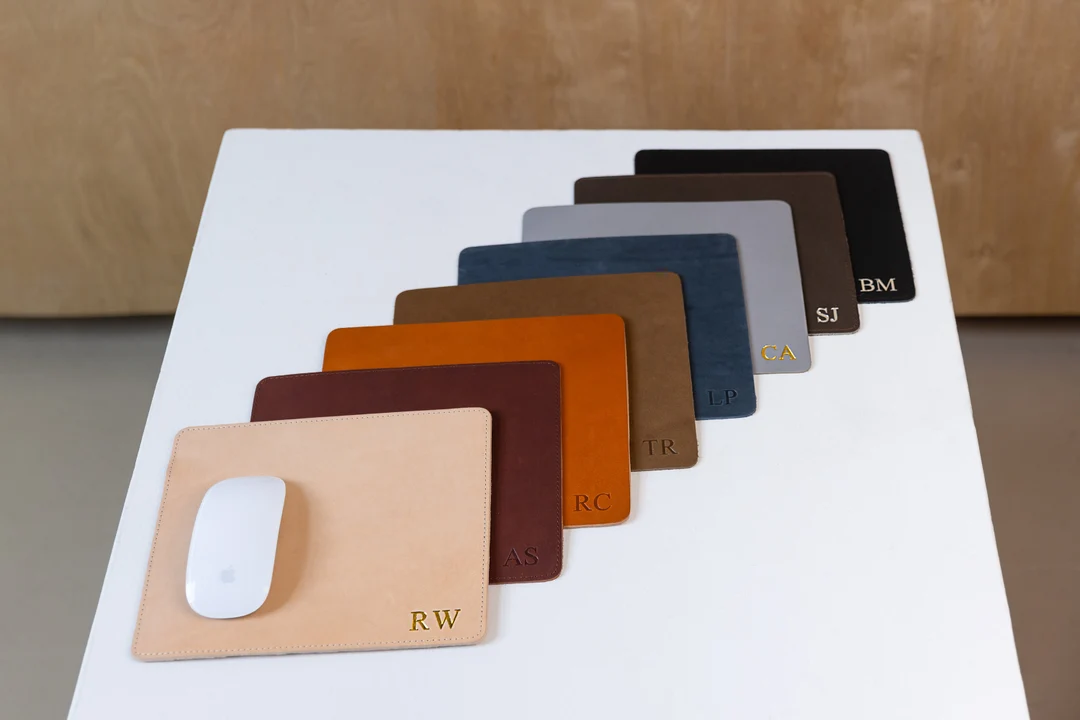
A mouse pad may be one of the smallest accessories in a computer setup, but it can have a surprisingly important role in everyday computer use. It provides a dedicated surface for mouse movement, helps users maintain consistent control, and can contribute to a cleaner and more organized workspace. For businesses, however, mouse pads can offer another advantage: they can be customized to represent a company’s brand.
Whether a company needs products for an office, promotional campaign, gaming event, retail program, or corporate gift package, selecting the right supplier is an important decision. A suitable supplier should be able to provide consistent quality, practical designs, customization options, and dependable production support.
There are many mouse pad suppliers in the market, but not every supplier offers the same materials, manufacturing capabilities, customization options, or quality standards. Businesses that understand what to look for can make better purchasing decisions and avoid problems later in the production process.
Understanding the Purpose of the Mouse Pad
The first step in choosing a mouse pad is understanding how the product will be used.
An office may need a simple and professional mouse pad that employees can use every day. A gaming company may require a larger surface that allows broad mouse movements. A promotional agency may be more interested in custom printing and attractive branding.
Retail businesses can have different requirements again. Products intended for retail shelves may need packaging, consistent product specifications, and an appearance that appeals directly to consumers.
The intended application affects almost every other decision, including material, dimensions, surface texture, printing, thickness, and packaging.
Before contacting a supplier, businesses should therefore establish the purpose of the product and identify the characteristics that matter most.
Selecting the Appropriate Surface Material
The surface is one of the most important parts of a mouse pad because it directly affects mouse movement.
Fabric surfaces are commonly used for everyday and gaming applications. They can provide a comfortable feel while allowing controlled movement. They are also suitable for many types of printed graphics, which makes them popular for customized products.
Hard mouse pad surfaces provide a different experience. They may offer smoother and faster movement and can appeal to users who prefer a firm surface.
There is no universal material that is perfect for every user. The right option depends on the intended application, personal preferences, and desired product characteristics.
Businesses should discuss material choices with their supplier before placing a large order. This can help ensure that the selected product matches the expectations of its intended users.
Choosing the Right Dimensions
Size is another important consideration.
Traditional mouse pads are relatively compact and work well for standard office desks. They provide enough room for ordinary mouse movements without taking up excessive workspace.
Larger mouse pads offer more freedom of movement. These can be useful for gaming, graphic design, and other applications where users move the mouse across a wider area.
Extended desk mats can cover a substantial portion of a desk and provide a shared surface for the keyboard and mouse. They can also create a more coordinated appearance when combined with a branded workstation.
When ordering customized products, businesses should confirm the exact dimensions before approving the final design. The artwork needs to be created according to the actual printing area.
The Importance of a Stable Backing
A mouse pad should stay reasonably stable while the user moves the mouse. Excessive movement can make precise control difficult and reduce the overall quality of the experience.
The backing material plays an important role in stability. Different products may use different types of backing depending on their intended use and construction.
For office environments, a stable backing can help keep the product in place during normal work. For gaming, stability may be even more important because rapid mouse movements can cause a poorly designed pad to shift.
When comparing products, businesses should consider both the surface and the underside rather than evaluating the printed design alone.
Custom Printing for Business Branding
One of the biggest advantages of ordering customized mouse pads is the opportunity to incorporate branding.
A company can print its logo, corporate colors, slogan, illustration, product image, or other visual elements onto the mouse pad. This transforms a standard computer accessory into a branded item that can be used for marketing or corporate purposes.
Customized mouse pads can be distributed at trade shows, conferences, seminars, product launches, and company events. They can also be included in employee welcome packages or customer gift sets.
Because the product is designed for regular use, it can remain visible on a desk for an extended period.
The artwork should be carefully prepared before production. High-quality graphics, appropriate dimensions, and accurate colors can make a significant difference to the final appearance.
Making the Design Functional
A common mistake when designing promotional products is focusing entirely on appearance.
A mouse pad still needs to function as a mouse pad. The printed design should therefore leave sufficient usable space for normal mouse movement.
Important text and logos should be positioned carefully. If a logo is placed directly where the user’s hand frequently moves, it may become less visible and potentially interfere with the intended design.
A balanced layout can provide both strong branding and practical usability.
Simple designs can often be highly effective. A company logo combined with a clean background and recognizable brand colors may look more professional than a surface crowded with too many visual elements.
Considering Ergonomic Features
Modern computer users are increasingly aware of workstation comfort. People who spend many hours working with a mouse may be interested in accessories designed to provide additional support.
One option is custom mouse pads with wrist support. These products combine the standard mouse surface with an integrated area designed to support the wrist.
For businesses, this can be particularly interesting when purchasing accessories for employees. Instead of providing a basic promotional product, a company can choose an accessory that combines branding with a practical ergonomic feature.
Wrist-support designs can be suitable for office workstations, home offices, customer service environments, educational settings, and other areas where people regularly use computers.
Of course, an ergonomic mouse pad is only one part of a comfortable workstation. Desk height, chair position, monitor placement, keyboard location, and mouse positioning should also be considered.
Evaluating Printing Quality
Printing quality is especially important when the mouse pad is being used as a branded product.
A company logo should appear clear and consistent. Colors should be reproduced as accurately as possible, particularly when the mouse pad needs to match other corporate materials.
Businesses should provide suitable artwork files and confirm the supplier’s requirements before production.
It is also useful to understand how the supplier handles large orders. A design may look excellent on one sample, but the same standard needs to be maintained throughout a bulk production run.
Consistent printing can make a major difference to the professional appearance of the finished products.
Durability Should Not Be Overlooked
A mouse pad is often used repeatedly, so durability is an important factor.
The surface should be capable of handling regular mouse movement. The backing should remain functional, and the edges should be finished appropriately for the intended use.
Some designs feature reinforced or stitched edges to provide additional protection against fraying. Other products may use different edge treatments depending on their construction.
Businesses should think about how long they expect the product to remain in use. A promotional item that looks good initially but deteriorates quickly may provide less value than a slightly more durable product.
Quality Control for Large Orders
Quality control becomes increasingly important as order quantities grow.
A company ordering a small number of mouse pads may be able to inspect each item. However, checking every unit manually becomes more difficult when the order contains hundreds or thousands of products.
This is why a supplier’s manufacturing and inspection procedures matter.
Quality checks can address dimensions, printing, surface condition, backing, edge finishing, and overall appearance.
Consistent production is particularly important for corporate branding. If one group of mouse pads has noticeably different colors or dimensions from another group, the company’s visual presentation can suffer.
Requesting Samples Before Bulk Production
A sample can be useful when evaluating a new supplier or custom design.
Photographs may show the general appearance of a mouse pad, but they cannot fully communicate its thickness, surface texture, flexibility, or construction.
By examining a sample, a buyer can determine whether the product meets expectations before committing to a larger order.
For customized products, a sample can also help identify issues with artwork placement, colors, dimensions, or other specifications.
This additional step can save time and money if changes are required before mass production.
Minimum Order Quantities
Different suppliers may have different minimum order requirements.
A small business may need only a limited number of branded mouse pads for employees, while a large organization may need several thousand units for a nationwide marketing campaign.
Understanding the minimum order quantity early in the purchasing process helps businesses determine whether a particular supplier is suitable.
It also helps with budgeting and inventory planning.
If a company expects to place repeat orders, it can be useful to discuss future production requirements with the supplier from the beginning.
Production Lead Times
Timing is another important factor.
Customized products generally require more preparation than standard products because artwork needs to be reviewed and production needs to be scheduled.
If the mouse pads are needed for a trade show, product launch, conference, or seasonal promotion, the business should communicate the deadline in advance.
A realistic production schedule allows time for artwork approval, manufacturing, quality inspection, packaging, and transportation.
Last-minute orders can create unnecessary pressure and may limit the available customization options.
Packaging Requirements
Packaging can affect both presentation and logistics.
A retail product may require attractive packaging that includes product information and branding. Promotional products distributed at an event may require much simpler packaging.
If the mouse pads are being shipped to multiple locations, packaging may also need to protect the products during transportation.
Businesses should discuss packaging requirements with the supplier before production begins.
Clear packaging instructions help ensure that the finished order is ready for its intended distribution method.
Comparing Suppliers Beyond Price
Price is naturally important when purchasing products in bulk, but it should not be the only deciding factor.
A supplier offering a very low price may use different materials, provide fewer customization options, or have limitations in production consistency.
Instead, businesses should consider the overall value of the product.
Factors such as material quality, printing accuracy, durability, customization capabilities, production reliability, communication, and packaging can all affect the final value of an order.
A slightly more expensive product may provide better long-term value if it performs well and represents the company’s brand professionally.
Communication Is a Key Part of the Process
Good communication between a business and its supplier can prevent many common problems.
The buyer should clearly explain the desired dimensions, material, artwork, quantity, packaging, and delivery requirements.
The supplier should communicate any technical limitations, production questions, or changes that could affect the project.
For customized products, assumptions can be costly. A small misunderstanding about dimensions or artwork can affect an entire production run.
Written confirmation of important specifications can help both sides maintain a clear understanding of the project.
Thinking About Future Orders
A good supplier relationship can become increasingly valuable over time.
A company may initially purchase mouse pads for one promotional event and later decide to order additional products for another campaign. If the original supplier has performed well, continuing the relationship can make future projects easier.
Established product specifications can reduce the amount of preparation required for repeat orders. The company can maintain the same dimensions, materials, artwork style, and quality expectations.
This consistency can be especially useful for organizations that regularly distribute branded merchandise.
Matching the Product to the Brand
A mouse pad should reflect the identity of the business using it.
A technology company may choose a modern minimalist design. A gaming brand might use bold colors and detailed graphics. A professional financial company may prefer a more subtle and corporate appearance.
The design should match the audience and the environment where the product will be used.
A thoughtful design can make a mouse pad feel like a genuine part of the brand rather than an inexpensive promotional item.
A Practical Promotional Product
The value of a mouse pad as promotional merchandise comes largely from its usefulness.
People are more likely to keep an item that solves an everyday problem or supports a routine activity. A mouse pad can become part of someone’s normal desk setup, providing repeated exposure to the company’s branding.
This makes it different from promotional materials that are quickly discarded.
When the product combines attractive design, good materials, and practical functionality, it can create a more positive impression of the brand.
Conclusion
Choosing a mouse pad supplier requires careful consideration of several factors. Businesses should evaluate the intended use, material quality, dimensions, backing, printing capabilities, customization options, durability, ergonomic features, quality control, packaging, and production schedules.
The right supplier should be able to provide products that meet both functional and branding requirements. For companies purchasing customized accessories, a supplier’s ability to maintain consistent quality across larger orders is particularly important.
Ergonomic options can add another dimension to the product. Customized mouse pads with wrist support can combine company branding with a practical feature designed for users who spend significant amounts of time at a computer.
Ultimately, the best purchasing decision is not necessarily the one based on the lowest unit price. Businesses should look for a combination of quality, reliability, customization, communication, and long-term value.
With clear requirements and careful supplier selection, a mouse pad can become much more than a basic computer accessory. It can be a useful workplace product, an attractive promotional item, a branded corporate gift, or an ergonomic addition to a modern workstation.